
Technical Art for Unreal Engine
The systems behind a scene: procedural set dressing, layered materials and details that move, plus the pipeline that brings assets into Unreal Engine cleanly.
What we do
What the work
covers.
Procedural set dressing (PCG)
PCG graphs in FUYOH Restaurant place the road lights, rocks, cables and grass, with parameters exposed for art direction.
Master materials
Vertex-painted layers, puddles and a choice of parallax occlusion or Nanite, set up once for every building in FUYOH.
Tiling materials
Panels, plating and hexagonal tiles authored in Substance 3D Designer for SCANN Research Facility.
Lights & effects
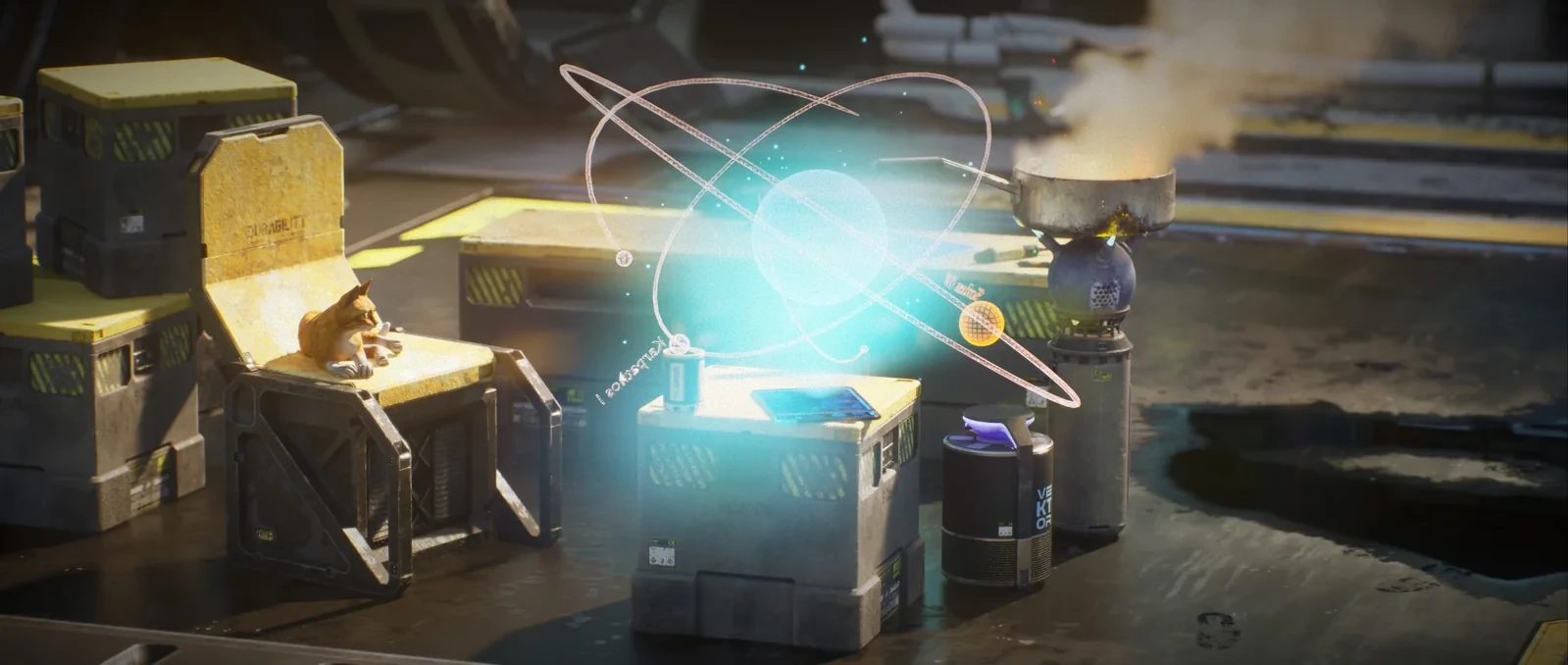
Flickering pylons, neon that pans across its UVs and an EmberGen steam simulation keep a scene alive.
Foliage shaders
Dynamic foliage shaders keep Sakura Shrine’s vegetation moving, with a moss workflow shared by stone and terrain.
LODs, collision & export
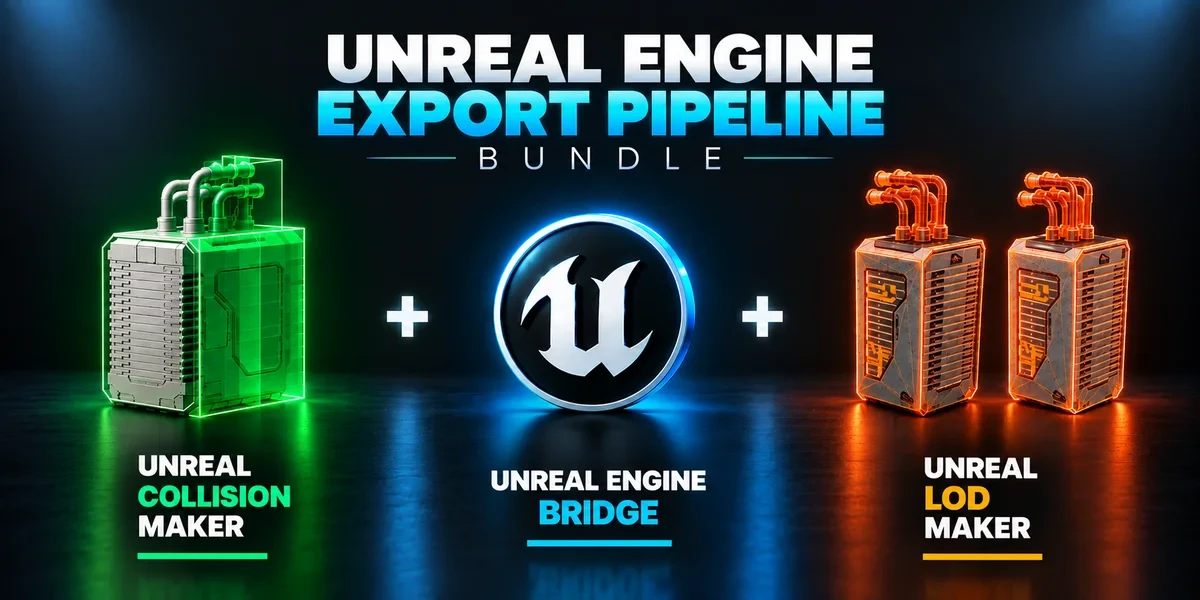
Our Unreal pipeline tools build collision, generate LODs and send prepared assets into Unreal’s Content Browser.
Selected work
Finished worlds,
start to end.
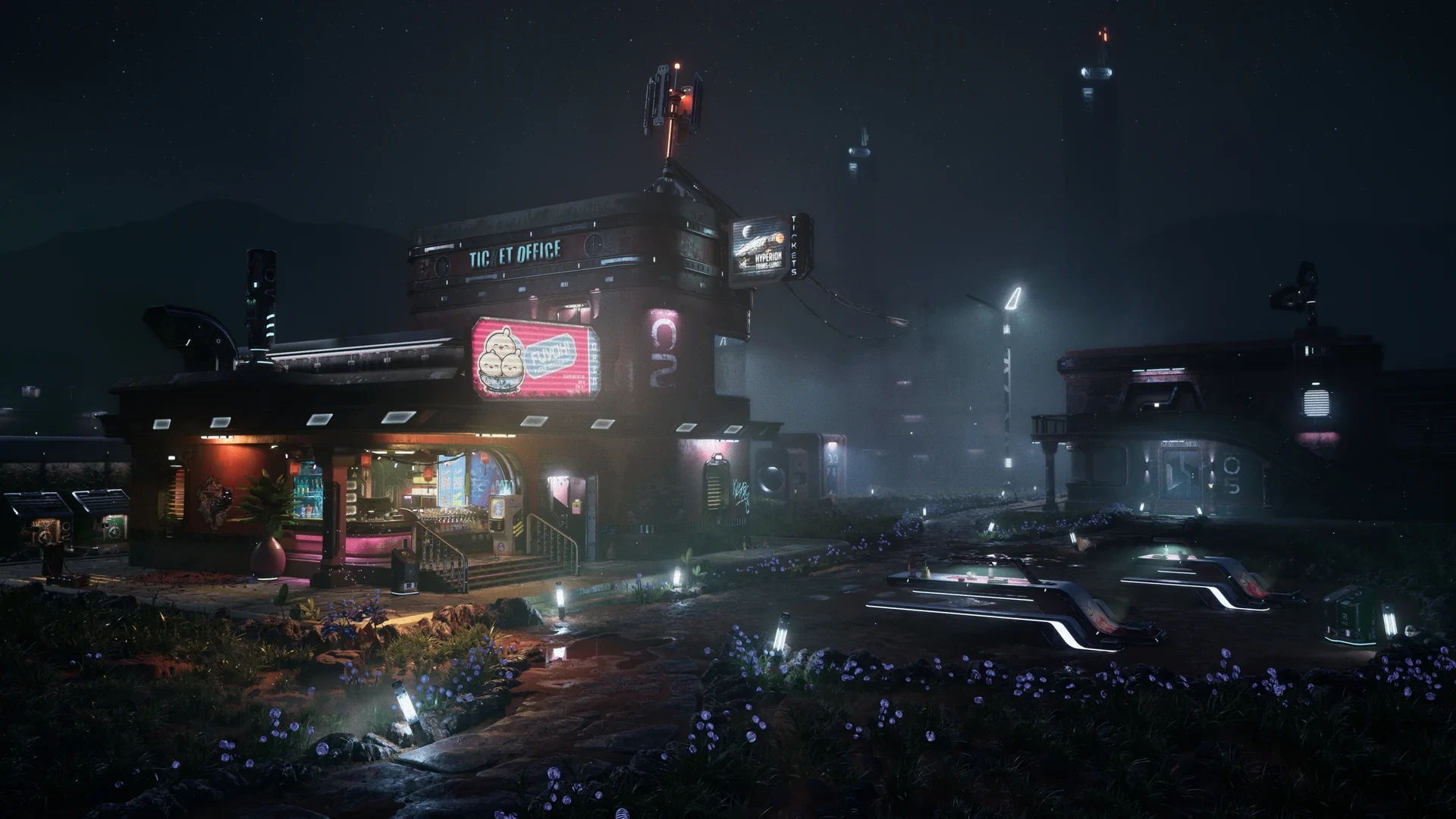
- Sci-Fi Unreal Engine EnvironmentFUYOH Restaurant A rain-soaked sci-fi restaurant at night, lit by neon signage and path lights and built as a cinematic Unreal Engine environment.
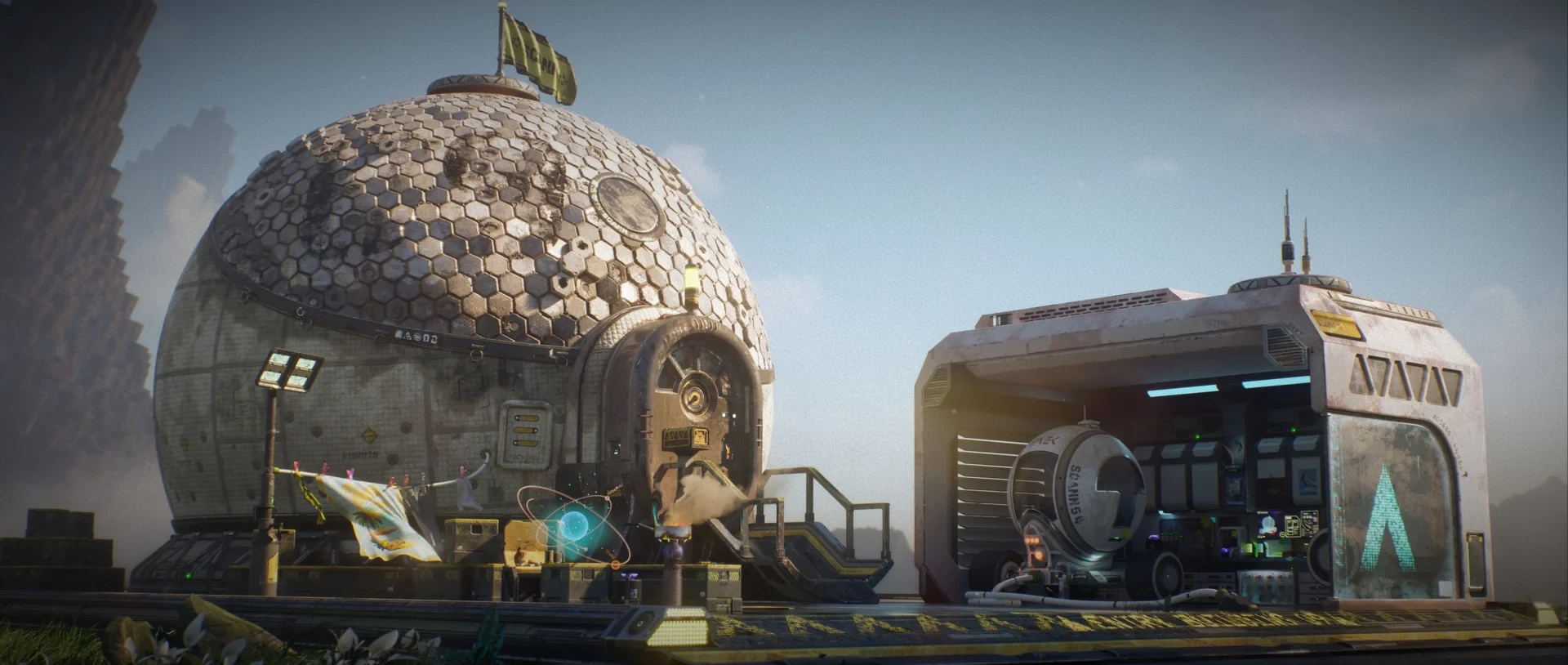
- Sci-Fi Unreal Engine EnvironmentSCANN Research Facility A remote research facility where two contrasting structures, working labs and a holographic display make the station feel in use, built in Unreal Engine.
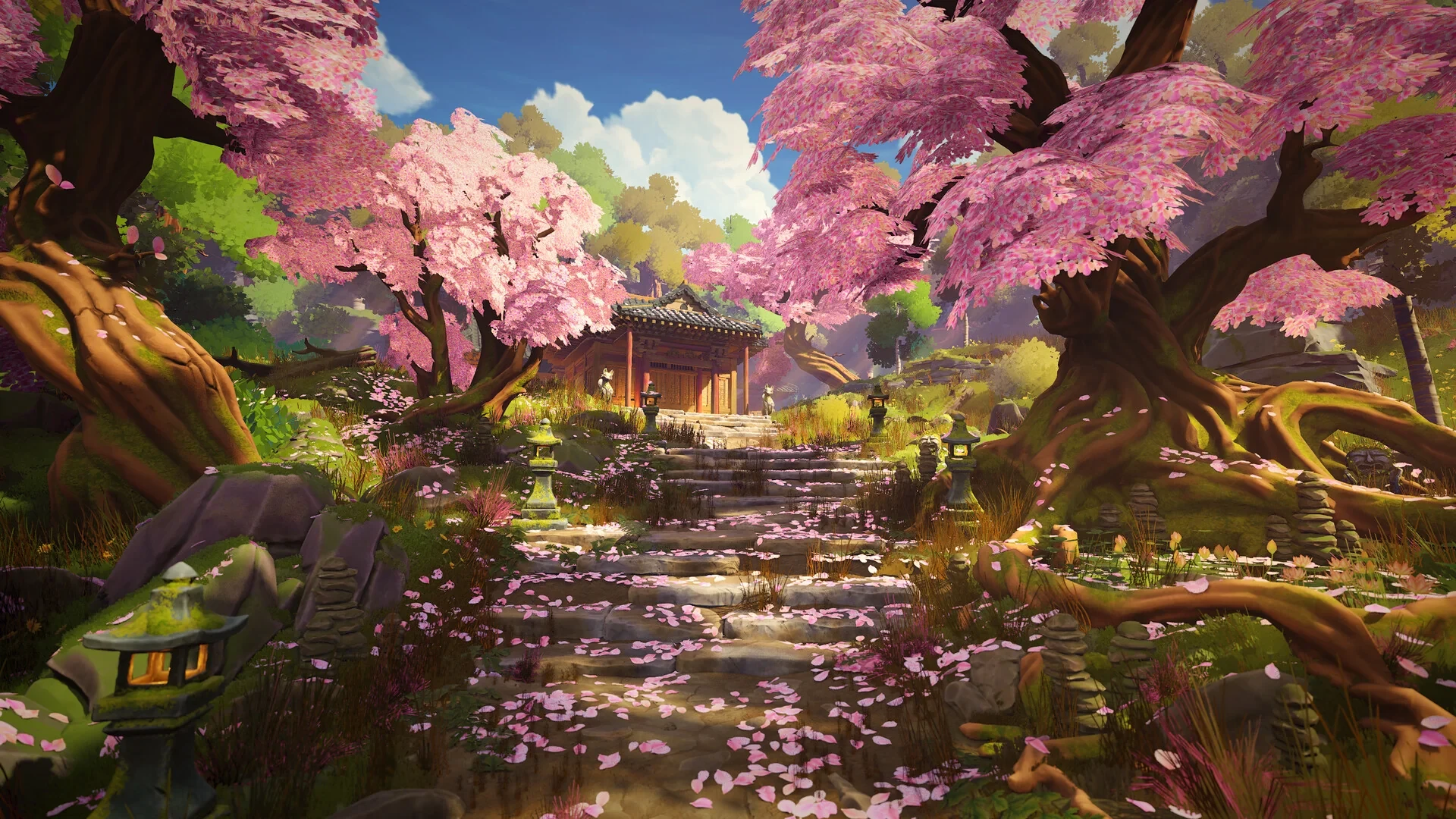
- Stylized Shrine EnvironmentSakura Shrine A secluded shrine among cherry blossoms, shown by day and by night, with stone paths, torii gates and forest spirits leading the eye through the scene.
Our add-ons
- Unreal Engine Export Pipeline Bundle Build collision, generate LODs and send prepared assets into Unreal with three complementary tools.
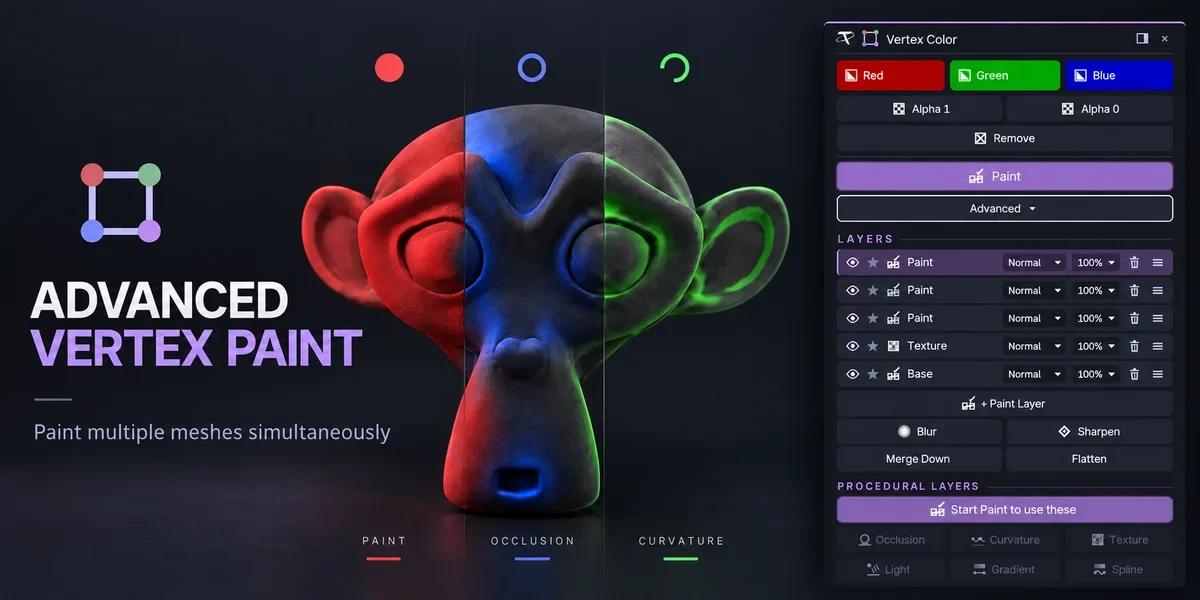
- Advanced Vertex Paint Fill and paint multiple meshes together. The Pro edition adds editable layers, blend modes and procedural color tools.
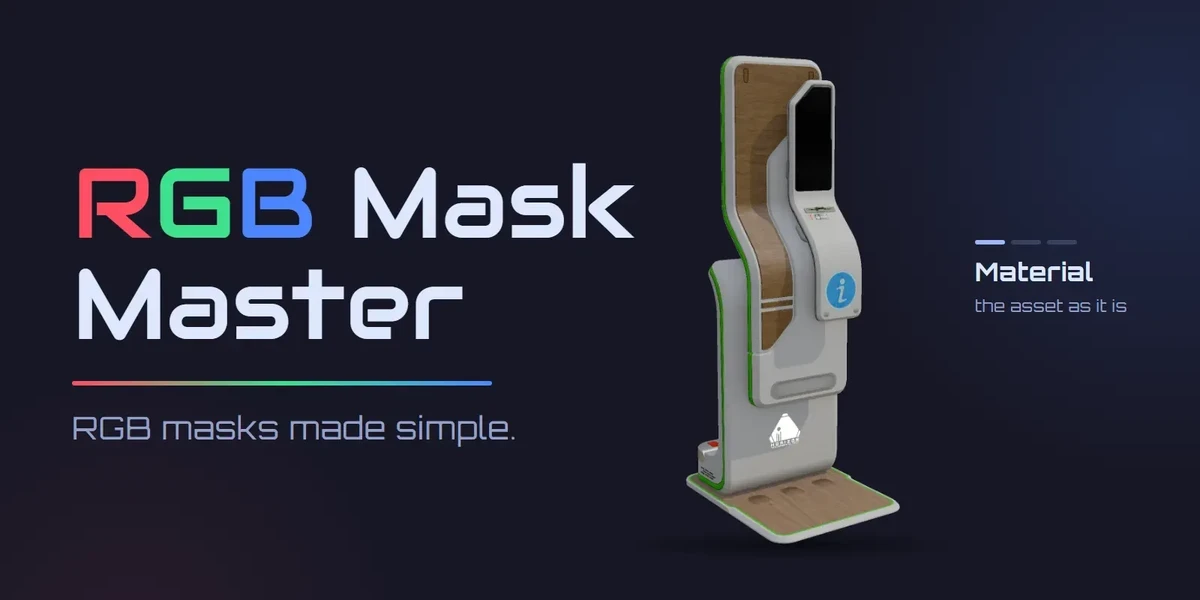
- RGB Mask Master Painter-style RGB masks in Blender: AO and curvature baked from the low poly, a red, green and blue layer stack on your own materials, and a round trip to Substance 3D Painter.
How we work
One clear direction.
Room to create.
Define the target
Direction
We align on references, art style, engine, and technical constraints. Together, we define the scope and what the final delivery needs to include.
Develop the world
Build
Forms and composition first, then assets, materials, and detail. Agreed review points give you room to respond as the work takes shape.
Refine & hand over
Presentation
We refine the lighting and final views, then prepare the agreed files and formats. Handoff requirements are part of the brief, not an afterthought.
Practicalities
Good to know
before we start.
What do you need from me to quote a project?
Whatever you already know: your idea and visual references; the assets or environment you need; engine, platform, and delivery formats; your target timeline and budget range. A few references and a rough idea of scope are enough to start the conversation.
Which engine and file formats do you deliver in?
The ones your project uses. Engine, platform and delivery formats are part of the brief we agree at the start, so the handoff fits your pipeline rather than ours.
How do you price a project?
With a fixed quote per project. Once the brief is agreed, we send one price for the agreed scope. If the scope changes along the way, we quote the change before doing the work.
Who owns the final files?
You do, once the final payment is made: the rights to the final deliverables transfer to you, as set out in the project agreement. We may show the finished work in our portfolio unless we agree otherwise.
Will you sign an NDA?
Yes. We’re happy to sign your NDA before you share detailed project information.
Start a project
Tell us aboutyour world
A useful brief covers your idea and visual references; the assets or environment you need; engine, platform, and delivery formats; your target timeline and budget range. Start with what you know; we can define the rest together.